The Science of Coat Color in Dogs
Coat color genetics represents one of the most fascinating and visually demonstrable aspects of canine heredity. The remarkable variety of colors and patterns we see in domestic dogs results from the interaction of just a handful of genes, each with multiple possible variations.
Understanding these genetic mechanisms has practical applications for breeders, helps explain unexpected color results in litters, and can even provide health insights, as some color genes are linked to medical conditions. For herding breed owners, color genetics is just one piece of a broader picture that includes important genetic mutations affecting herding breeds.
The Basics: Two Types of Pigment
All canine coat colors derive from two types of melanin pigment:
Eumelanin produces black and brown colors. In its default form, eumelanin appears black. Modifications to the eumelanin pathway can produce brown (liver/chocolate), blue (diluted black), or isabella (diluted brown).
Phaeomelanin produces red and yellow colors, ranging from deep Irish Setter red to pale cream. Phaeomelanin can also be modified by intensity genes to appear lighter or darker.
White areas on a dog’s coat result from the absence of both pigment types, not from a separate white pigment.
Key Color Genes
The E Locus (Extension)
The E locus determines whether a dog can produce eumelanin in the coat. Dogs with two copies of the recessive e allele (e/e) cannot deposit eumelanin in their hair, resulting in a red or cream coat regardless of their genotype at other color loci.
This explains why two black Labrador Retrievers can produce yellow puppies if both carry one copy of the e allele. The yellow puppies inherit e from both parents and cannot produce black pigment in their coat.
The B Locus (Brown)
The B locus modifies eumelanin from black to brown (often called liver or chocolate). Dogs with two copies of the recessive b allele produce brown pigment instead of black. This affects not only the coat but also the nose, eye rims, and paw pads.
Brown is inherited as a simple recessive. Two brown dogs bred together will always produce brown puppies, as they can only pass the b allele to offspring.
The D Locus (Dilution)
The dilution gene lightens both eumelanin and phaeomelanin. Black becomes blue, brown becomes isabella (a pale silvery-brown), and red becomes cream or apricot.
The dilute phenotype requires two copies of the recessive d allele. An important health consideration: dilution is associated with Color Dilution Alopecia (CDA) in some breeds, a condition causing hair loss and skin problems in dilute-colored dogs.
The K Locus (Dominant Black)
The K locus is critical in determining whether a dog displays solid color or pattern. The KB allele produces dominant black, overriding the agouti patterns controlled by the A locus. Dogs with at least one KB allele will be solid in color.
The ky allele allows the A locus patterns to be expressed. Dogs must have two copies of ky (ky/ky) to show patterns like sable, tan points, or wild-type agouti.
The A Locus (Agouti)
When allowed to express (in ky/ky dogs), the A locus controls how eumelanin and phaeomelanin are distributed in the coat. The hierarchy from most dominant to most recessive is:
- Ay (sable/fawn): mostly phaeomelanin with eumelanin tips
- aw (wild-type agouti): banded hairs as seen in wolves
- at (tan points): eumelanin body with phaeomelanin points
- a (recessive black): solid eumelanin throughout
Pattern Genes
The S Locus (White Spotting)
The S locus controls white spotting patterns. The dominant S allele produces solid color, while the recessive s allele produces white markings. The extent of white varies considerably, from minimal white on chest and toes to near-complete white coverage with colored head patches.
The M Locus (Merle)
Merle is a semi-dominant pattern that creates mottled patches of diluted pigment against areas of normal pigmentation. Dogs with one copy of the merle allele (M/m) display the merle pattern. Dogs with two copies (M/M), known as double merles, often have extensive white areas and are at high risk for deafness and eye defects.
Responsible breeding practices require avoiding merle-to-merle breedings to prevent the production of double merle puppies.
The H Locus (Harlequin)
Found primarily in Great Danes, the harlequin gene modifies merle to produce white areas between the darker patches. Harlequin only affects dogs that also carry at least one copy of the merle gene.
Color Testing and Breeding
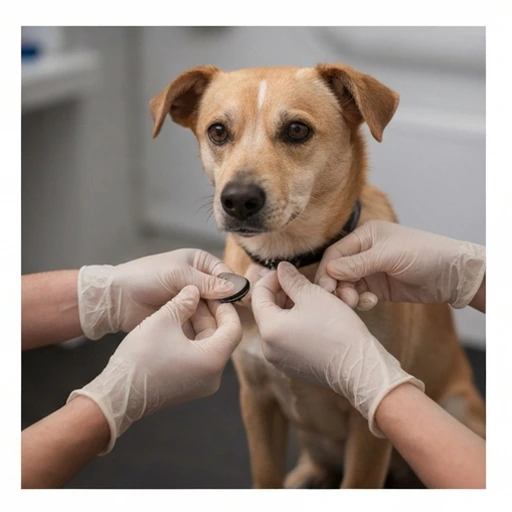
DNA testing is available for all major color genes, allowing breeders to:
- Predict colors in planned litters
- Identify carriers of recessive colors
- Avoid producing double merles
- Understand unexpected color results
Testing is especially valuable when breeding for specific colors or when a breed standard specifies color requirements. Our breeder’s guide to canine DNA testing covers the practical aspects of sample collection and laboratory selection for all genetic tests. Laboratories such as the UC Davis Veterinary Genetics Laboratory offer comprehensive coat color panels for most breeds.
Health Considerations
Some color genetics have health implications:
Double Merle: High risk of deafness and eye defects. Never breed two merle dogs together. This is particularly relevant for herding breeds like Australian Shepherds where the merle pattern is common.
Color Dilution Alopecia: Affects some dilute-colored dogs. More common in certain breeds like Dobermans and Italian Greyhounds.
Extreme White: Dogs with extensive white markings, particularly on the head, may have increased risk of congenital deafness.
Piebald and Deafness: The genes controlling white spotting may be linked to inner ear development, explaining the association between white markings and hearing issues in some breeds.
Practical Applications
Understanding color genetics helps breeders make informed decisions about pairings, set realistic expectations for litter colors, and communicate accurately with puppy buyers about expected phenotypes.
For show breeders, knowing the genotypes behind visible colors helps plan matings to produce breed-standard colors while maintaining genetic diversity. In breeds where genetic bottlenecks have reduced population diversity, color selection decisions must be balanced carefully against the need to preserve overall genetic health.
Conclusion
Coat color genetics illustrates how a limited number of genes can produce extraordinary diversity through their various combinations and interactions. While the visual outcomes are often what captures our attention, understanding the underlying genetics provides valuable tools for responsible breeding and health management. Emerging research into epigenetics and environmental influences on gene expression is also revealing that factors like nutrition and stress can modulate pigmentation intensity and pattern expression beyond what genotype alone would predict.
DNA testing has made color genotype determination straightforward and affordable, empowering breeders with information that was previously only available through test breedings. As canine genomic medicine continues to advance, whole genome sequencing and polygenic risk scores will further refine our ability to predict and manage color-linked health traits. For herding breed owners, combining color genetics knowledge with awareness of health-related mutations like MDR1 drug sensitivity ensures comprehensive genetic management.
For an in-depth exploration of how color traits pass from parents to offspring across all breeds, Coat Color Inheritance provides detailed guides on pigmentation pathways and inheritance patterns.