Thyroid Disease in Herding Breeds: More Than Just a Hormone Problem
Hypothyroidism is the most common endocrine disorder in dogs, and among the many breeds that develop it, herding dogs are substantially overrepresented. When the thyroid gland fails to produce adequate levels of thyroid hormones — primarily thyroxine (T4) and triiodothyronine (T3) — the metabolic consequences reach virtually every organ system, producing a syndrome of lethargy, weight gain, cold intolerance, and a characteristic spectrum of dermatological and neurological changes.
What is often underemphasized is that in dogs, the majority of hypothyroidism cases result not from primary thyroid gland dysfunction or iodine deficiency but from lymphocytic thyroiditis — an autoimmune condition in which the immune system mounts a sustained attack against the dog’s own thyroid tissue. Understanding thyroid disease in herding breeds therefore requires engaging with the genetics of immune regulation, not just the endocrine physiology.
The Immune Basis of Canine Hypothyroidism
Lymphocytic thyroiditis develops through a process of immune dysregulation. In a genetically susceptible individual, T lymphocytes that should remain tolerant to self-antigens in the thyroid gland instead become activated and infiltrate the thyroid tissue. Over time, this immune assault destroys thyroid follicles and replaces functional tissue with fibrosis, progressively reducing the gland’s capacity to produce thyroid hormones.
Antibodies against thyroid-specific proteins — particularly thyroglobulin, the thyroid hormone precursor protein — can be detected in blood before clinical signs develop, sometimes years earlier. This makes thyroglobulin antibody (TgAA) testing a valuable screening tool for breeders who want to identify dogs in the early stages of autoimmune thyroid disease before hypothyroidism becomes clinically apparent.
The key question for geneticists and breeders is why some dogs develop this autoimmune attack while others do not. The answer lies primarily in the major histocompatibility complex, known as the DLA (Dog Leukocyte Antigen) system in dogs.
The DLA System and Autoimmune Susceptibility
The DLA encodes cell-surface proteins that present peptide fragments to T lymphocytes, allowing the immune system to distinguish self from non-self. The specific DLA haplotype a dog carries influences which peptides it can present and therefore which self-antigens its immune system might learn to attack.
Studies of canine autoimmune thyroiditis have identified specific DLA class II haplotypes that are statistically associated with elevated disease risk. The DLA-DQA1, DQB1, and DRB1 alleles that constitute class II haplotypes show breed-specific patterns of association with thyroiditis, suggesting that the immune genetic risk profile is partly breed-specific.
Herding breeds that have been studied — including Golden Retrievers, Doberman Pinschers, and various herding dogs — tend to show DLA haplotype distributions that are associated with higher immune-mediated disease risk compared to some other breed groups. This may reflect founder effects in which certain DLA haplotypes were concentrated during breed establishment, as discussed in the context of population genetics and herding breed diversity.
The DLA region is one of the most polymorphic regions in the dog genome, reflecting millions of years of selection pressure from infectious disease. When effective population sizes in closed breeds become small, DLA diversity erodes, potentially concentrating haplotypes associated with autoimmune risk. This represents one of the less discussed health consequences of the genetic bottlenecks affecting herding breeds.
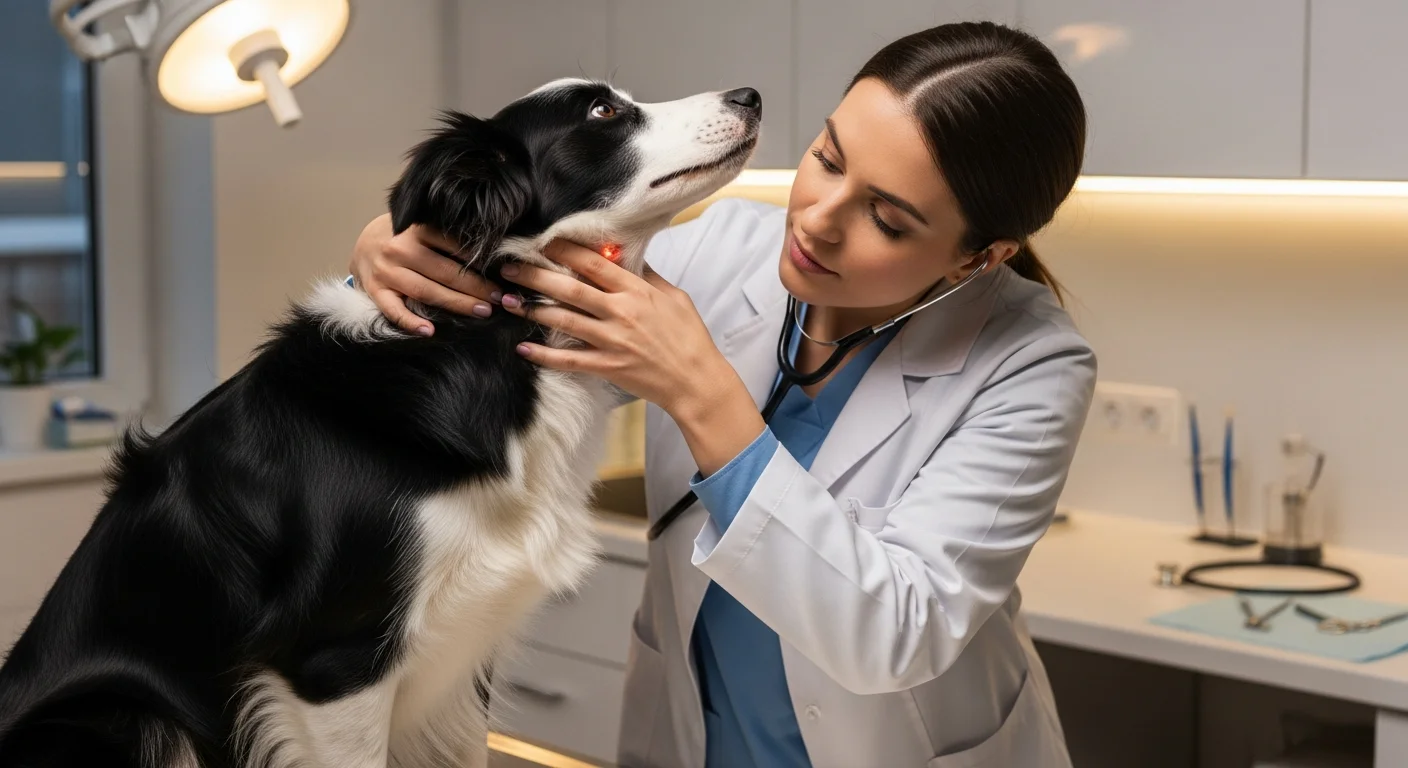
Affected Herding Breeds
German Shepherds show notable rates of hypothyroidism and autoimmune thyroiditis, with some surveys suggesting prevalence rates of 10% or higher in the breed population. German Shepherds also develop a range of other immune-mediated conditions, consistent with a breed-wide immune regulatory susceptibility.
Golden Retrievers are among the most thoroughly studied breeds for autoimmune thyroiditis, and while not a herding breed in the traditional sense, they share working dog heritage and appear in herding registers in some countries. Research in Goldens has been pivotal in establishing the genetic basis of canine autoimmune thyroiditis.
Border Collies have documented rates of hypothyroidism, though breed-specific prevalence data is more limited than in Goldens or Shepherds. Anecdotal reports from breeders and the representation of Border Collies in specialty veterinary thyroid disease cohorts suggest meaningful breed susceptibility.
Shelties (Shetland Sheepdogs) are recognized as a breed with elevated autoimmune disease risk generally, including thyroiditis. The Sheltie’s relatively small founding population and ongoing closed-registry breeding are consistent with the DLA diversity erosion theory.
Clinical Signs: Recognition Before Diagnosis
The clinical presentation of hypothyroidism in dogs is notoriously variable and often insidious in onset. The classic presentation — a middle-aged to older dog with weight gain despite decreased appetite, lethargy, heat-seeking behavior, and a dull, thickened coat — is familiar to most veterinarians. However, many dogs present with atypical or partial manifestations:
Dermatological changes are among the most common presenting signs and include bilateral, symmetrical hair loss, hyperpigmentation of the skin, seborrhea, and increased susceptibility to skin infections. The skin changes often precede other clinical signs by months.
Neurological manifestations including peripheral neuropathy, vestibular disease, and generalized weakness are recognized complications of severe or prolonged hypothyroidism. Myxedematous stupor, a rare but severe presentation associated with extreme hypothyroidism, can mimic other neurological emergencies.
Behavioral changes are reported by many owners of hypothyroid dogs, including increased anxiety, aggression, or fearfulness. The overlap between thyroid dysfunction and behavioral change is genuinely complex; thyroid hormone influences neurological function, and normalization of thyroid levels sometimes produces dramatic behavioral improvement. This connection between endocrine health and behavioral expression is an area where the epigenetic and hormonal influences on herding dog behavior deserve consideration.
Reproductive failure in breeding females, including prolonged or absent estrus cycles, poor conception rates, and reduced litter size, may indicate subclinical hypothyroidism that would otherwise go undetected.
Myopathy causing exercise intolerance, stiffness, or weakness is an underappreciated manifestation that may be mistaken for primary musculoskeletal disease.
Diagnostic Testing
A complete thyroid disease workup includes several components:
Baseline total T4: A normal total T4 rules out hypothyroidism in most cases, but low total T4 can result from non-thyroidal illness or concurrent drug therapy as well as from true hypothyroidism. Total T4 alone has moderate diagnostic sensitivity.
Free T4 by equilibrium dialysis: Free T4 is the biologically active fraction of thyroid hormone and is less affected by changes in binding proteins that can alter total T4. It provides better diagnostic accuracy than total T4 alone.
cTSH (canine thyroid-stimulating hormone): Elevated TSH combined with low T4 is highly specific for primary hypothyroidism. TSH alone has lower sensitivity.
Thyroglobulin autoantibody (TgAA): TgAA testing is specifically useful for breeding evaluations. Dogs with elevated TgAA are in the early stages of autoimmune thyroid destruction and will likely develop overt hypothyroidism in the future, even if current T4 levels are still normal. Testing breeding dogs annually for TgAA provides the earliest possible warning of developing disease.
Thyroid ultrasound: When available, ultrasound examination of the thyroid gland can reveal structural changes consistent with lymphocytic infiltration, including reduced size, heterogeneous echogenicity, and altered vascularity.

Treatment and Long-Term Management
Hypothyroidism due to thyroiditis is generally treated with once or twice-daily oral supplementation with synthetic T4 (levothyroxine). Response to treatment is usually rapid and gratifying: most dogs show significant improvement in energy, coat quality, and weight within four to eight weeks of initiating therapy.
Treatment is lifelong, as the underlying autoimmune destruction is not reversible and the thyroid tissue that has been destroyed cannot regenerate. Dose requirements may change over time as the disease progresses or the dog’s metabolism changes with age. Regular monitoring, typically every six to twelve months once stable, ensures that supplementation remains adequate.
One important drug interaction warrants attention in herding breeds: the absorption of levothyroxine can be affected by several medications, and dose adjustments may be needed in dogs concurrently receiving treatment for other conditions. The herding breed susceptibility to adverse drug reactions through the MDR1 mutation is a separate but sometimes overlapping concern in the management of dogs on multiple medications.
Breeding Considerations
The OFA (Orthopedic Foundation for Animals) maintains a thyroid health registry and recommends annual thyroid health evaluations, including TgAA testing, for dogs used in breeding. Dogs with positive TgAA results should not be used in breeding, as the autoimmune process is well underway even if clinical signs are not yet present.
Beyond individual testing, the breeding community can contribute to reducing thyroid disease prevalence by:
Maintaining records of thyroid health across generations in breeding lines, allowing identification of lineages with elevated disease rates.
Supporting breed-wide health surveys that quantify true prevalence and identify risk factors specific to different lineages or geographic populations.
Considering DLA diversity in breeding decisions where genomic data is available. Pairing dogs with more divergent DLA haplotypes may reduce immune disease risk in offspring, though this consideration must be balanced against other breeding priorities.
Avoiding line breeding to known affected individuals. When a dog has been diagnosed with autoimmune thyroiditis, parents, siblings, and offspring are at elevated risk and warrant increased monitoring.
The systematic approach to herding breed health that encompasses thyroid screening alongside the more widely known DNA tests for drug sensitivity, degenerative myelopathy, and eye conditions represents a comprehensive model for responsible breeding. For a complete overview of how to integrate multiple testing approaches into a coordinated program, the guide to canine DNA testing provides a useful starting framework that can be extended to include thyroid health registries.