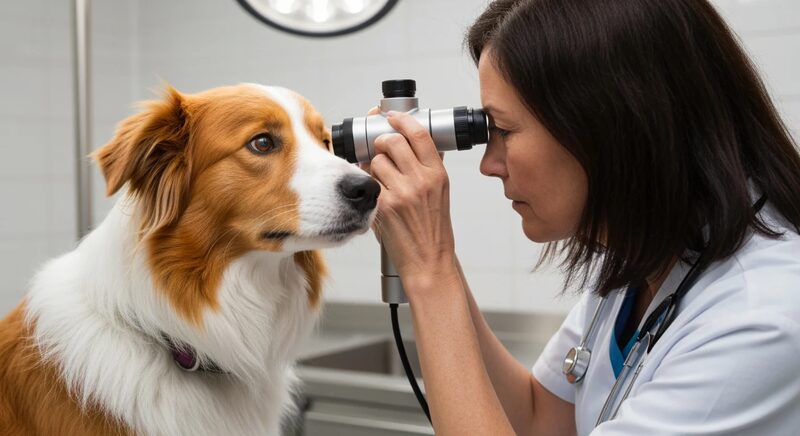
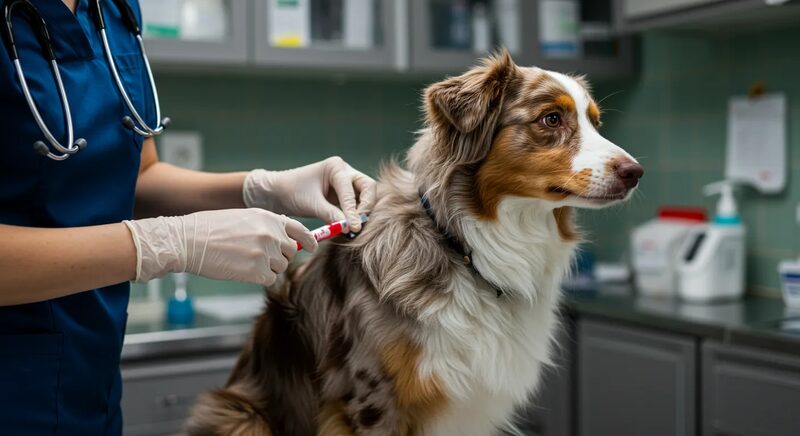
A comprehensive look at the NHEJ1 deletion that causes Collie Eye Anomaly, which herding breeds are affected, how severity varies, and what DNA testing means for breeding programs
Copy number variants are large-scale genetic duplications and deletions that contribute substantially to canine disease and trait variation. Here is what they are, how they are detected, and where they matter in herding breed populations.
Understanding COI calculations, their impact on health and genetic diversity in herding breeds, and how modern genomics helps breeders make better pairing decisions
A thorough look at the multiple genetic forms of progressive retinal atrophy affecting herding dogs, how DNA testing identifies carriers, and what breeders can do to eliminate these blinding diseases
Understanding the three types of von Willebrand disease in dogs, their genetic basis, which herding breeds are affected, and how DNA testing has changed the landscape for breeders
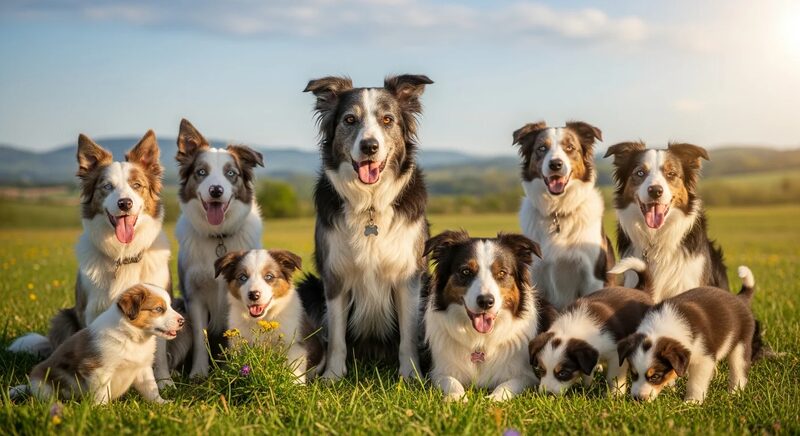
How the principles of population genetics explain the genetic structure of modern herding breeds, why founder effects still shape contemporary dogs, and what effective population size means for breed health
Understanding exercise-induced collapse, its genetic cause in the DNM1 gene, which herding and retrieving breeds are affected, and how to manage and test for this condition
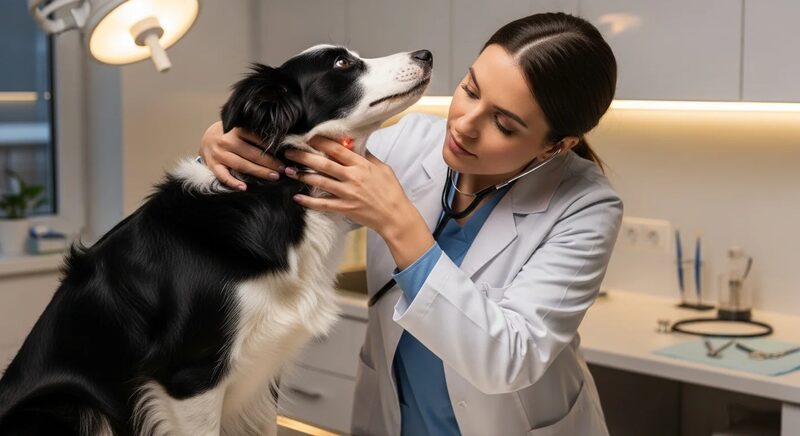
How autoimmune thyroiditis develops in herding breeds, the role of DLA genetics in immune-mediated disease, clinical recognition, and what breeders can do to reduce thyroid disease prevalence
How techniques developed for endangered wildlife populations can be applied to preserve genetic diversity in herding dog breeds, including kinship analysis, gene banking, and managed breeding programs
How whole-genome sequencing differs from panel tests and SNP arrays, what information it provides for herding breed health and diversity management, and the practical state of canine WGS in 2026
A detailed guide to the SOD1 gene mutation responsible for degenerative myelopathy, its inheritance, affected herding breeds, testing, and management strategies
How polygenic inheritance drives hip dysplasia risk in herding breeds, and what breeders can do with modern genetic and phenotypic tools to reduce its prevalence